Most adults who eat a varied diet get enough zinc from food. If you do take a supplement, two things matter: how much zinc the dose really contains and staying under the upper limit. A controlled study found that zinc citrate and zinc gluconate are absorbed better than zinc oxide. For adults, EFSA's upper limit is 25 mg a day from all sources combined.
How much zinc do I need?
EFSA's answer depends on how much phytate you eat. Phytate is found in wholegrain cereals, pulses, nuts and seeds, and it binds zinc in the gut so that less is absorbed. That is why EFSA gives the recommended intake as a range:
- Men: 9.4 to 16.3 mg a day
- Women: 7.5 to 12.7 mg a day
The low end applies to a diet low in phytate, the high end to a diet rich in it. In the EU countries EFSA looked at, adults get on average 8 to 14 mg a day from food.
The reference value used on EU labels (the %NRV) is 10 mg.
Where is zinc found in food?
- Oysters and other shellfish. Oysters are especially rich in zinc.
- Meat, mainly red meat, and poultry.
- Eggs and dairy, such as cheese.
- Pulses, nuts, seeds and wholegrains. They contain zinc, but it is absorbed less well than from animal foods because of the phytate.
The US National Institutes of Health Office of Dietary Supplements (NIH ODS) lists vegetarians and vegans among the groups more likely to fall short.
Which forms exist, and which is absorbed best?
In a supplement, zinc is always bound to something else. The common forms on the shelf:
- Zinc gluconate. One of the most common and cheapest forms.
- Zinc citrate. More zinc per gram than gluconate.
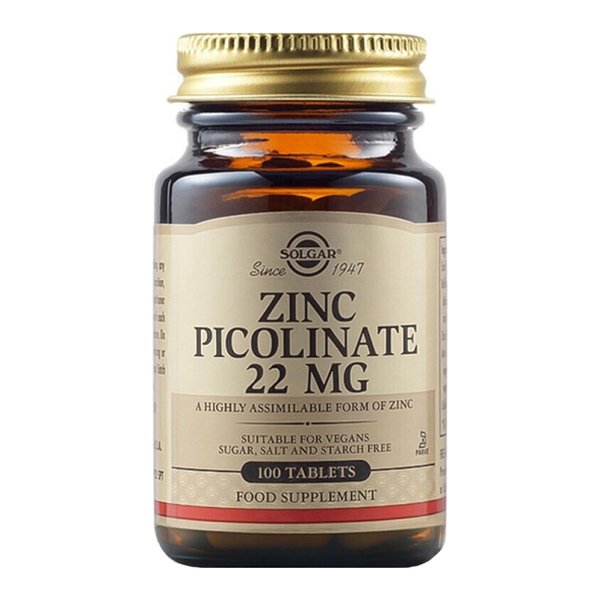
- Zinc picolinate. Zinc bound to picolinic acid.
- Zinc bisglycinate (or "chelated" zinc). Zinc bound to the amino acid glycine.
- Zinc oxide. A lot of zinc in a small tablet, but it does not dissolve in water.
The clearest evidence we have is a 2014 double-blind study in the Journal of Nutrition (Wegmüller and colleagues). In 15 healthy adults taking 10 mg of zinc without food, absorption was about 61% from citrate, 61% from gluconate and 50% from oxide. Three participants absorbed little or no zinc from the oxide at all.
For picolinate and bisglycinate, human studies are few and small, so we cannot say with confidence that they are "better" than citrate or gluconate. They are soluble forms and are generally considered well tolerated. In practice, any of these forms is a sensible choice, and oxide is the least appealing.
What should you check on the label?
1. The mg of zinc, not of the compound. A tablet may say "50 mg zinc gluconate", but zinc itself is only part of that weight. Going by the chemistry of each compound, zinc makes up roughly:
- 80% of zinc oxide
- 32% of zinc citrate
- 31% of zinc bisglycinate
- 21% of zinc picolinate
- 14% of zinc gluconate
EU labels must show the mg of zinc per daily dose in the table. That is the number to compare.
2. The total including food. The 25 mg limit covers everything you take in. If your food already gives you 8 to 14 mg, a supplement with 22 mg can take you over the limit. For long-term daily use, a lower dose, or one tablet every other day, is often more sensible. Ask your pharmacist.
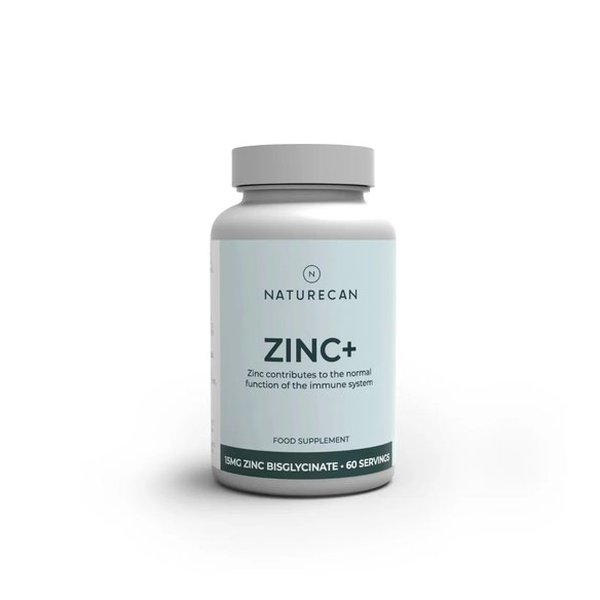
3. What else is in it. Some products add copper, vitamin B6 or other nutrients. The Naturecan Zinc Complex, for example, contains 15 mg of zinc as bisglycinate per capsule, together with 1 mg of copper, 2 mg of vitamin B6 and 3 mg of boron. If you also take a multivitamin, add them up. EFSA's adult upper limits are 5 mg for copper, 12 mg for vitamin B6 and 10 mg for boron.
Why does too much zinc affect copper?
Zinc and copper compete in the gut. According to the NIH, doses of 50 mg of zinc or more over a period of weeks can reduce copper absorption. The NHS notes that this can lead to anaemia and weakening of the bones. Large amounts of zinc at once can also cause nausea, vomiting and stomach upset.
So a high dose taken "for a little while" should not quietly become a permanent habit without medical supervision.
Are there medicines that interact with zinc?
Yes. According to the NIH, zinc can interact with some antibiotics (quinolones and tetracyclines) and with penicillamine, and some diuretics increase the amount of zinc lost in urine. Taking a supplement with a lot of iron (25 mg or more) at the same time also reduces zinc absorption.
What does zinc actually do?
The EU has authorised several health claims for zinc. Some of them, as worded in the official register:
- Zinc contributes to the normal function of the immune system.
- Zinc contributes to the maintenance of normal skin.
- Zinc contributes to the maintenance of normal hair.
- Zinc contributes to the maintenance of normal nails.
- Zinc contributes to normal cognitive function.
- Zinc contributes to the protection of cells from oxidative stress.
Claims such as "prevents colds" or "cures acne" are not allowed. Supplements do not replace a varied diet.
Quick check before you buy
- Do you eat meat, shellfish, eggs or cheese several times a week? You probably do not need a supplement.
- If you take one, compare the mg of zinc in the table, not the weight of the compound.
- Prefer citrate, gluconate, picolinate or bisglycinate over oxide.
- Add in anything from multivitamins and stay under 25 mg a day in total.
- Stick to the dose on the pack, and do not combine two zinc products without adding them up.
When to talk to a doctor or pharmacist
Ask before you start if you are pregnant or breastfeeding, if you take antibiotics, penicillamine, diuretics or an iron supplement, or if you have a long-term health condition. If you think you might be low in zinc, your doctor can decide whether a test is needed. Do not take more than 25 mg a day for long periods on your own initiative.
FAQ
Is zinc picolinate the best form?
There is not enough research to say. The clearest human comparison found that citrate and gluconate are absorbed equally well and better than oxide. Picolinate and bisglycinate are also reasonable choices. Choose based on the mg of zinc per dose and how your stomach copes.
Should I take copper with zinc?
At low doses of zinc, close to what you need, there is no need. The copper problem mainly appears with large doses of zinc over long periods. If you have been advised to take a high dose, ask your doctor whether you need copper too.
Do vegans need more zinc?
Often yes, because plant-based diets contain more phytate and EFSA gives higher values for diets rich in phytate. Pulses, seeds, nuts and wholegrains every day help. If you are thinking about a supplement, talk to your pharmacist.
Sources: EFSA, Scientific Opinion on Dietary Reference Values for zinc (EFSA Journal 2014, 12(10):3844), as summarised in EFSA, Dietary Reference Values for nutrients: Summary report (2017), EFSA, Overview on Tolerable Upper Intake Levels (version 11, August 2025: zinc, SCF 2002, copper, SCF 2003, boron, EFSA 2004, vitamin B6, EFSA 2023), EU Regulation 1169/2011 (Annex XIII), EU Regulation 432/2012 (list of authorised health claims), Wegmüller R et al., Zinc absorption by young adults from supplemental zinc citrate is comparable with that from zinc gluconate and higher than from zinc oxide, Journal of Nutrition 2014, 144(2):132–136, NIH Office of Dietary Supplements, Zinc Fact Sheet for Health Professionals, NHS, Vitamins and minerals: Others (zinc).