An after-sun product does two things: it moisturises skin that has been dried out by sun, sea and salt, and it makes it feel cooler and more comfortable. It does not undo the damage UV light has already done, and it does not replace sunscreen. If you are mildly sunburnt, what helps most is getting out of the sun, a cool shower, a fragrance-free cream and plenty of water. If you get blisters or a fever, or if a child is burnt, see a doctor.
What does an after-sun actually do?
An after-sun is a cosmetic. It is usually a light lotion or gel that spreads easily over large areas. It contains moisturising ingredients and often ingredients that feel cooling, such as aloe.
What it does not do:
- It does not "repair" sunburn. According to DermNet, UV light damages the DNA of skin cells, and that damage is what leads to the redness and swelling. No cream applied afterwards undoes it.
- It does not protect you the next day. If you go back out in the sun, you need sunscreen, shade and clothing.
- It does not lower your risk of skin cancer. The NHS points out that getting sunburnt increases that risk. Prevention is the only real answer.
In short: after-sun is for comfort, not protection.
How can I soothe mild sunburn?
The NHS and the American Academy of Dermatology (AAD) give similar advice:
- Get out of the sun as soon as possible, and keep sunburnt skin covered from direct sun until it has fully healed.
- Cool the skin with a cool shower, bath or damp towel. With babies and young children, take care that they do not get too cold.
- Apply an after-sun or an unperfumed moisturiser. The AAD suggests applying it while your skin is still slightly damp from the shower, and again whenever it feels uncomfortable. It mentions moisturisers with aloe vera as a good option.
- Drink plenty of water. Sunburn draws fluid to the skin, so you dehydrate more easily. Avoid alcohol.
- Painkillers such as paracetamol or ibuprofen can help with pain, following the instructions in the leaflet. Ask your pharmacist if you are not sure they suit you.
What not to do, according to the NHS:
- Do not put ice or ice packs directly on the skin.
- Do not put petroleum jelly on sunburnt skin.
- Do not pop blisters, and do not scratch or pull off peeling skin.
- Do not wear tight clothes over the burnt area.
Mild sunburn usually gets better within about a week.
Aloe, fragrance and sensitive skin
Aloe is one of the most common ingredients in after-sun products, and both the AAD and DermNet list it among the things that help skin feel calmer.
If your skin is sensitive, though, check the ingredients list as well. Sunburnt skin is more easily irritated, and the NHS suggests an unperfumed moisturiser if you are not using an after-sun. Fragrance ingredients, natural or synthetic, are among the most common causes of contact allergy. If you see "parfum", essential oils or names such as linalool and limonene on the list, the product contains fragrance.
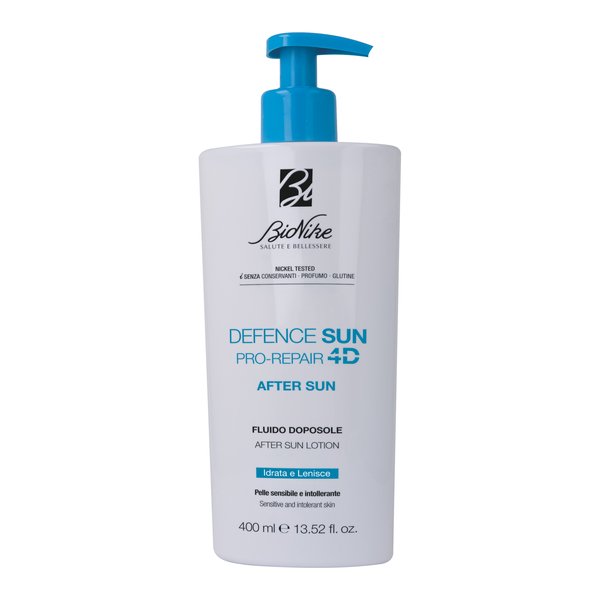
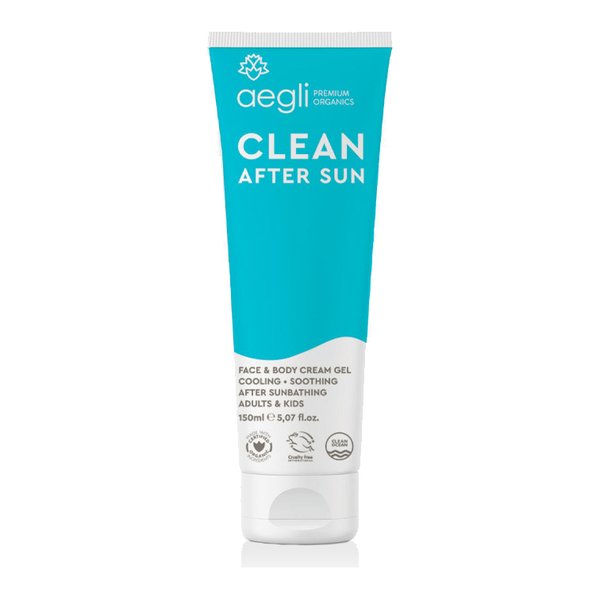
The two after-sun products we suggest differ on exactly this point. BioNike Defence Sun After Sun Lotion is a light lotion for face and body, with niacinamide, betaine and carnosine, and is fragrance-free and preservative-free. Aegli is a light gel-lotion with rose water, aloe leaf juice, liquorice and jojoba and grape seed oils, and is COSMOS certified, but it contains natural fragrance. If your skin reacts easily, the first is the safer choice. If fragrance is not a problem for you and you like the feel of a gel, the second is a good option too.
The Cyprus sun: why prevention matters more
In Cyprus the beach season lasts for many months, so there are plenty of chances to get burnt. The World Health Organization recommends sun protection whenever the UV index reaches 3 or above, and notes that UV peaks around solar noon. DermNet says the risk of sunburn is typically highest between 10 am and 2 pm.
In practice:
- Check the day's UV index in the weather forecast.
- Choose shade in the middle of the day, especially with children.
- Apply enough sunscreen and reapply after swimming and towelling dry.
- A hat, sunglasses and a light T-shirt do more than you might think.
For help choosing a sunscreen, see our article on mineral and chemical sunscreens.
Quick check after the beach
- A cool shower, not a hot one.
- After-sun or a fragrance-free moisturiser on slightly damp skin.
- Plenty of water, little or no alcohol.
- Keep burnt skin out of the sun for the next few days.
- Tomorrow: sunscreen, shade, hat.
When to see a doctor
According to the NHS, get urgent medical advice if, after being in the sun:
- your skin is blistered or swollen
- your temperature is very high, or you feel hot, cold or shivery
- you feel very tired, dizzy or sick
- you have a headache or muscle cramps
- a baby or young child has sunburn
Severe sunburn can come with heat exhaustion or heatstroke, which can be serious. For milder cases, your pharmacist can tell you what to use and whether you need to see a doctor.
FAQ
Can I use a normal moisturiser instead of an after-sun?
Yes. The NHS suggests an after-sun or an unperfumed moisturiser. The difference is mainly texture: after-sun products are usually lighter and easy to spread over the whole body.
Does it help to keep after-sun in the fridge?
Many people find a cool lotion more pleasant. That is a matter of comfort. Do not put ice directly on your skin, though.
If I tan without burning, do I need after-sun?
It is not essential, but a moisturiser helps if your skin feels dry from the sun and the sea.
Sources: NHS, Sunburn, American Academy of Dermatology, How to treat sunburn, DermNet, Sunburn, DermNet, Fragrance allergy, World Health Organization, Radiation: The ultraviolet (UV) index.