Even in Cyprus, many people have less vitamin D than they think. The European Food Safety Authority (EFSA) considers 15 µg (600 IU) a day an adequate intake for adults, and sets the safe upper limit at 100 µg (4000 IU) from all sources combined. The surest way to know where you stand is a simple blood test arranged through your doctor.
Isn't the Cyprus sun enough?
Your skin makes vitamin D when it is exposed to UVB light. How much it makes varies a lot from person to person and from month to month. A few reasons why:
- Season and time of day. In winter the sun sits lower and UVB is weaker. In summer most of us avoid the midday sun, and rightly so.
- Time indoors. Office, car, home. Window glass blocks almost all UVB.
- Clothing and sunscreen. Anything that covers the skin reduces production.
- Skin type. Darker skin needs more exposure to make the same amount.
- Age. Skin makes less vitamin D as we get older.
In short, living somewhere sunny does not automatically mean your skin gets enough sun.
What have studies in Cyprus found?
A study published in Nutrients in 2022 (Xyda and colleagues) looked at results from 2,594 people in Cyprus, tested between 2013 and 2017. It found that:
- 69% had levels below 30 ng/mL, the cut-off many laboratories call "sufficient".
- 31% had 20 ng/mL or less.
- The average was about 26 ng/mL, with the highest levels in September and the lowest in January.
There is an important caveat. The data came from a laboratory, so it reflects people who were already having the test, not a random sample of the population. The researchers point this out themselves. Still, the picture is clear enough: sunshine alone does not guarantee good levels, and winter makes a difference.
To read your own result: 20 ng/mL is the same as 50 nmol/L, the level EFSA used as its target when it set the 15 µg a day figure.
How much vitamin D is enough, and how much is too much?
Three numbers are worth knowing, all for adults:
- 5 µg (200 IU): the EU reference value (NRV) used on labels. The %NRV on a pack is calculated from this.
- 15 µg (600 IU): EFSA's adequate intake, which assumes the skin makes very little vitamin D.
- 100 µg (4000 IU): EFSA's tolerable upper intake level from all sources, which also applies in pregnancy and breastfeeding.
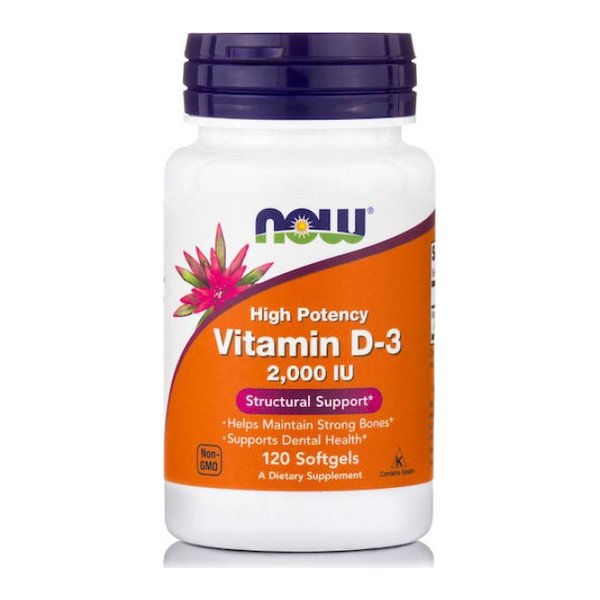
So a 50 µg (2000 IU) supplement gives 1000% NRV. That sounds like a lot, but it is half the upper limit. If you also take a multivitamin or eat fortified foods, add everything up.
IU is a simple conversion: 1 µg = 40 IU.
What should you do before starting a supplement?
Ask your doctor for a 25(OH)D test. This is the standard blood test for vitamin D. With the result in hand, your doctor can tell you whether you need anything and how much. This matters most if you are thinking about higher than usual doses, if you are pregnant or breastfeeding, if you take medication, or if you have a health condition, for example a kidney problem.
If you do choose a supplement, plain vitamin D3 in a softgel taken with food is the most common option. Vitamin D is fat-soluble, which is why many people take it with a meal that contains a little fat.
What does vitamin D actually do?
The EU allows only specific health claims, approved after EFSA review. For vitamin D they include:
- Vitamin D contributes to the maintenance of normal bones.
- Vitamin D contributes to the maintenance of normal muscle function.
- Vitamin D contributes to the normal function of the immune system.
- Vitamin D contributes to normal absorption/utilisation of calcium and phosphorus.
No supplement treats or prevents disease. If you see promises like that, be wary.
Should I skip sunscreen to get more vitamin D?
No. A review of 75 studies in the British Journal of Dermatology (Neale and colleagues, 2019) found little evidence that sunscreen, as people actually use it day to day, lowers vitamin D levels. The authors note that there are no trials yet with the very high SPFs recommended today. Their conclusion, though, was that worries about vitamin D should not get in the way of protecting your skin from the sun. For vitamin D you have food, supplements and a blood test. For your skin, you have sunscreen.
FAQ
Should everyone in Cyprus take vitamin D?
Not necessarily. The Cypriot data show that low levels are common, but everyone is different. A blood test through your doctor is the surest way to find out.
What is the difference between D3 and D2?
D3 (cholecalciferol) is the form your skin makes and the most common one in supplements. It usually comes from lanolin, though there is also a plant-based D3 made from lichen. D2 (ergocalciferol) is of plant or fungal origin. Both are permitted in EU food supplements.
Why do some supplements combine vitamin D with K2?
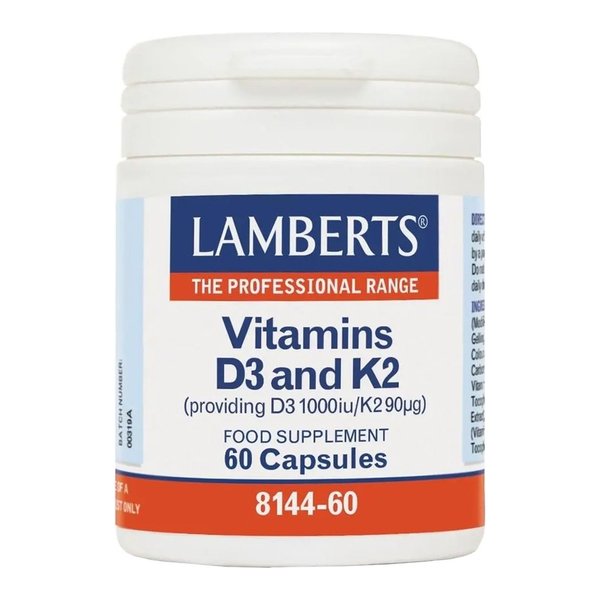
It is simply a combination of two vitamins. Vitamin K has its own authorised claim: it contributes to the maintenance of normal bones. If you take blood-thinning medication, ask your doctor before taking anything that contains vitamin K.
Sources: EFSA, Dietary reference values for vitamin D (EFSA Journal 2016, 14(10):4547), EFSA, Scientific opinion on the tolerable upper intake level for vitamin D (EFSA Journal 2023, 21(8):8145), EU Regulation 1169/2011 (Annex XIII), EU Regulation 432/2012 (list of authorised health claims), Xyda SE et al., Could the Majority of the Greek and Cypriot Population Be Vitamin D Deficient? Nutrients 2022, 14(18):3778, Neale RE et al., The effect of sunscreen on vitamin D: a review, British Journal of Dermatology 2019, 181(5):907.