SLS (sodium lauryl sulfate) and SLES (sodium laureth sulfate) are cleansers that make a rich lather and remove oil from the scalp and hair very well. They are not dangerous, but for some people they leave hair dry and rough. A sulfate-free shampoo uses milder cleansers and may suit dry, coloured or damaged hair. If your hair is oily and you are happy with your shampoo, though, there is no reason to change. And "SLS-free" on the bottle does not always mean sulfate-free: the answer is in the ingredients list.
What do SLS and SLES do?
They are anionic surfactants: one end of the molecule holds on to oil and the other to water, so the oil leaves with the rinse. According to a review written for dermatologists (D'Souza and Rathi, 2015):
- Lauryl sulfates (sodium, ammonium and TEA-lauryl sulfate) clean very strongly, foam well and rinse off easily. They are often used in shampoos for oily hair. Because they leave hair rough, shampoos pair them with milder cleansers and conditioning agents.
- Laureth sulfates (sodium, ammonium and TEA-laureth sulfate) also clean and foam well, and suit normal to dry hair.
A shampoo that removes all the oil, the same authors write, leaves hair dry, frizzy and hard to comb. The aim is to remove as much oil as needed, not all of it.
On safety: the US Cosmetic Ingredient Review (CIR) panel reports that SLES can irritate the skin and eyes but is not a sensitiser (it does not cause allergy), and that in practice it rarely irritates because of the way products are formulated. A shampoo stays on the head briefly and is rinsed off, which matters.
Who might prefer a sulfate-free shampoo?
- Dry or curly hair, which loses moisture easily.
- Coloured or permed hair. The same review notes that mild cleansers are chosen for this hair, so that less oil is removed.
- A sensitive scalp that stings or dries out with ordinary shampoos. It is worth a try, without expecting miracles.
If you have an oily scalp, a stronger cleanser may suit you better. The American Academy of Dermatology (AAD) suggests washing according to how oily your hair gets: possibly every day with an oily scalp, and as needed with dry or curly hair.
What "sulfate-free" does not mean
It does not mean "no cleansers". Every shampoo contains surfactants. The milder ones you will see in place of sulfates include sodium cocoyl isethionate, sodium cocoyl glutamate, sodium lauroyl sarcosinate, glucosides (lauryl glucoside, coco-glucoside, caprylyl/capryl glucoside) and cocamidopropyl betaine. The review notes that amphoteric cleansers such as betaines are used in baby shampoos because they do not sting the eyes.
It does not mean "fragrance-free". Many sulfate-free shampoos contain parfum or essential oils.
It does not treat anything. A sulfate-free shampoo does not deal with dandruff or hair loss on its own.
"SLS-free" is not the same as "sulfate-free". On Greek online shops we found shampoos sold as "SLS-free" or "free from SLS/SLES" that list TEA-lauryl sulfate or ammonium laureth sulfate. These are sulfates too, just under another name. If you want no sulfates at all, look for the word "sulfate" in the list.
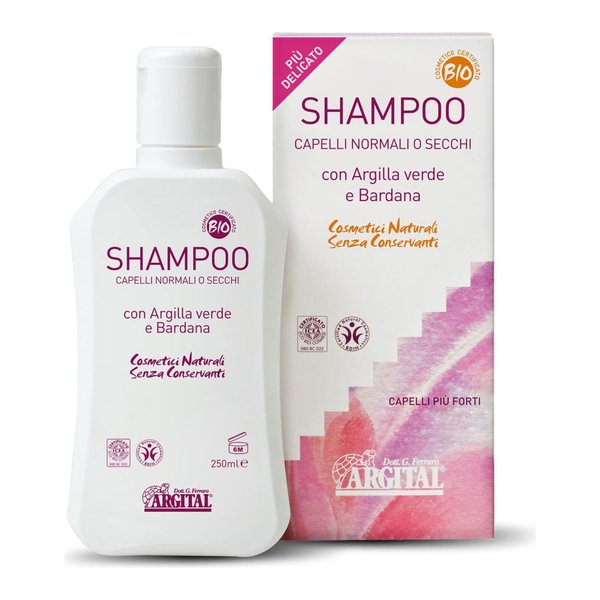
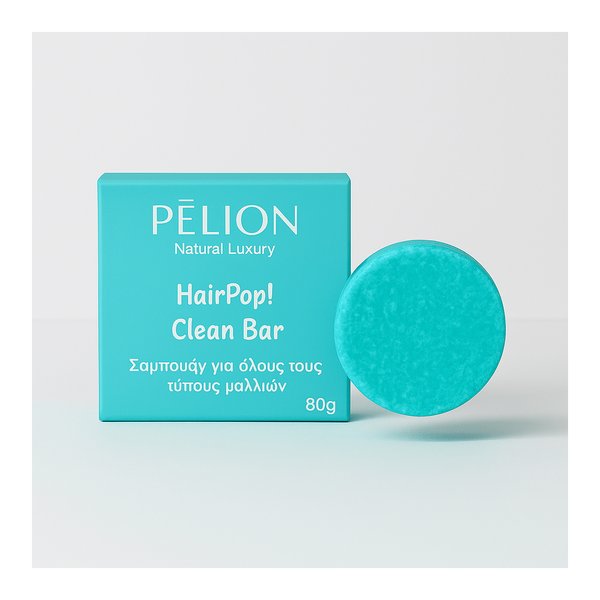
Argital's shampoo for normal and dry hair cleans with sodium cocoyl glutamate and glucosides, with no sulfates. It also contains alcohol and essential oils (ylang ylang, lavandin, clove, patchouli), so it is not the first choice if you are allergic to fragrance. PELION's HairPop! Clean Bar is a solid shampoo based on sodium cocoyl isethionate, also sulfate-free, with fragrance and rosemary oil.
How do I read a shampoo label?
- The first cleanser after water is the main one. According to D'Souza and Rathi, the cleanser listed first is present in the highest amount, and the second is there to soften the effect of the first.
- Look for the word "sulfate". Sodium lauryl sulfate, sodium laureth sulfate, ammonium lauryl or laureth sulfate, TEA-lauryl sulfate, sodium coco-sulfate: all are sulfates.
- Do not be misled by similar names. Sulfosuccinates (such as disodium laureth sulfosuccinate) and sultaines (such as cocamidopropyl hydroxysultaine) are different substances. The review puts sulfosuccinates in a separate group and sultaines among the amphoterics.
- Check the end of the list for parfum and allergens such as linalool and limonene if your scalp is sensitive.
There is more on ingredient lists in our article on how to read a cosmetics label.
A few washing tips
The AAD suggests:
- Apply shampoo mainly to the scalp, not the full length of your hair. This cleans away oil and build-up without drying your hair too much.
- Use a conditioner after washing, for moisture and easier combing. If your hair is fine or straight, put it on the ends.
Quick check at the shelf
- Which cleanser comes first in the list?
- Does the word "sulfate" appear anywhere, despite "SLS-free" on the front?
- Does it contain parfum or essential oils, if your scalp is sensitive?
- Does it suit your hair type (oily, dry, coloured)?
When to see a dermatologist
If your scalp itches, reddens or flakes badly and does not improve when you change shampoo, if you get a rash on your forehead, neck or behind your ears, or if you notice more hair falling out than usual, talk to a dermatologist. Dandruff, seborrhoeic dermatitis and hair loss have their own treatments, and a shampoo is a cosmetic.
FAQ
Why does sulfate-free shampoo lather less?
Because sulfates are among the cleansers that make the richest foam. But lather does not show how well a shampoo cleans. If needed, wash a second time with a small amount.
Will my hair colour fade less?
Mild cleansers remove less oil, which is why they are suggested for coloured hair. How long colour lasts also depends on the dye, sun, hot water and how often you wash.
Are SLS and SLES dangerous?
No. The CIR considers them safe as used in cosmetics, provided the product is formulated not to irritate. Choosing sulfate-free is about preference and hair type, not safety.
Sources: D'Souza P, Rathi SK, Shampoo and Conditioners: What a Dermatologist Should Know?, Indian J Dermatol 2015, Cosmetic Ingredient Review, Final report of the amended safety assessment of sodium laureth sulfate and related salts of sulfated ethoxylated alcohols, Int J Toxicol 2010, Cosmetic Ingredient Review, Final report on the safety assessment of sodium cetearyl sulfate and related alkyl sulfates as used in cosmetics, Int J Toxicol 2010, American Academy of Dermatology, Tips for healthy hair.