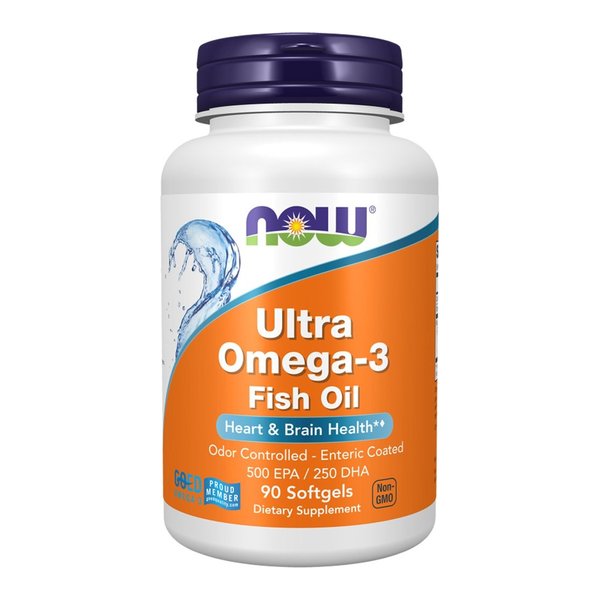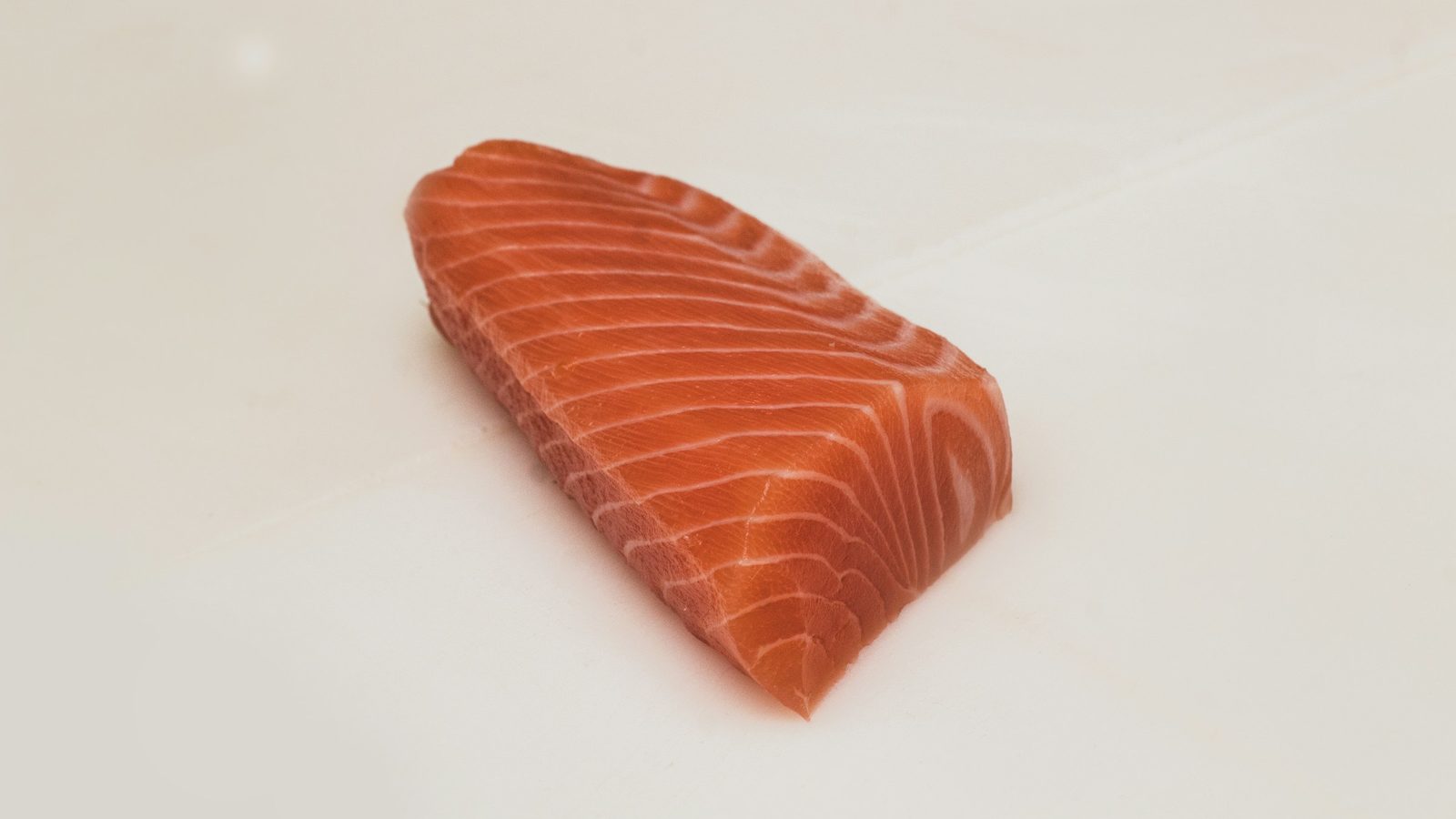
The omega-3s that matter in supplements are two: EPA and DHA. Fish oil and microalgae oil contain both, and for DHA a randomised study found the body uses it just as well from algae as from fish. The differences are mainly in how much you get per capsule, the price, and whether or not you want a fish product.
What are EPA and DHA?
They are long-chain fatty acids from the omega-3 family. We get them mainly from oily fish such as sardines, mackerel and salmon. But fish do not make them on their own. They take them in through the food chain, from the microalgae in the sea. Algae oil simply goes straight to the original source: the microalgae are grown in tanks and their oil is extracted.
There is also a third omega-3, ALA, found in flaxseed, walnuts and chia seeds. It is a useful fatty acid, but the body converts only a limited amount of ALA into EPA and DHA. That is why a flaxseed supplement is not the same as an EPA and DHA supplement.
What does the EU say about omega-3s?
The EU has authorised specific health claims, with conditions. The two most common:
- EPA and DHA contribute to the normal function of the heart. The beneficial effect is obtained with a daily intake of 250 mg of EPA and DHA.
- DHA contributes to maintenance of normal brain function and to the maintenance of normal vision. The beneficial effect is obtained with a daily intake of 250 mg of DHA.
For adults, EFSA considers 250 mg of EPA and DHA a day, from the whole diet, an adequate intake.
No omega-3 supplement treats or prevents heart disease or any other illness.
Fish oil or algae: what are the real differences?
How well the body uses it. In a 2008 randomised study (Arterburn and colleagues), 32 healthy adults took 600 mg of DHA a day for two weeks, either from algae oil capsules or from cooked salmon. Blood DHA levels rose by the same amount in both groups. On this measure you lose nothing by choosing algae. It was a small, short study, but its result was clear.
The ratio of EPA to DHA. Most fish oils contain more EPA than DHA. Many algae oils are the other way round: plenty of DHA and less EPA. For example, in the products we recommend:
- the concentrated fish oil gives 650 mg EPA and 450 mg DHA per two capsules
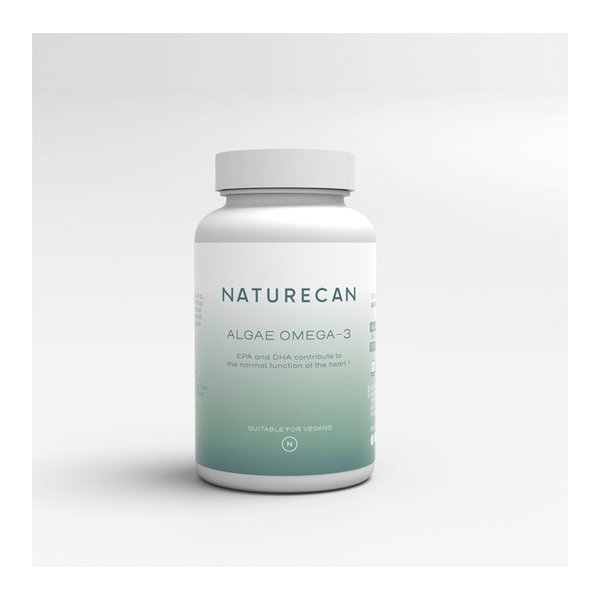
- the algae oil gives 195 mg EPA and 390 mg DHA per two capsules
Both go beyond the 250 mg of EPA and DHA named in the heart claim, and beyond the 250 mg of DHA in the brain and vision claims.
Who it suits. Algae oil suits vegetarians and vegans (check that the capsule shell is plant-based too), anyone who prefers to avoid fish products, and people who cannot stand the taste or the "fishy burps" of fish oil. Fish oil is usually cheaper per mg of EPA and DHA.
Purity. In the EU, marine oils for human consumption have legal maximum levels for contaminants such as dioxins and PCBs (Regulation (EU) 2023/915). Good fish oils are purified, and many manufacturers publish test results for each batch. Microalgae are grown in controlled tanks, not in the sea.
What should I check on the label?
- The mg of EPA and DHA per dose, not the total "1000 mg fish oil". EPA and DHA are only part of the oil in the capsule, and how large a part depends on how concentrated the oil is.
- How many capsules make up the dose. It is often two.
- The source: fish (and which kind), fish liver or microalgae.
- Best-before date and storage. Omega-3s oxidise. A strong rancid smell is not a good sign.
Can you have too much omega-3?
EFSA has concluded that supplemental intakes of EPA and DHA combined of up to 5 g a day do not raise safety concerns for adults. For DHA on its own, EFSA recently confirmed a safe level of intake of 1 g a day from supplements. Typical supplements are well below these levels.
Ask your doctor before starting omega-3s if you take blood thinners or other medication, if you are due to have surgery, or if you have a health condition.
FAQ
Is algae oil as effective as fish oil?
For DHA, a randomised study found it raises blood levels as much as DHA from salmon. What differs is the amount of EPA and DHA per capsule, so compare the mg on the label.
Do I need a supplement if I eat fish?
If you eat oily fish regularly, you are probably already getting the 250 mg of EPA and DHA a day that EFSA considers adequate. A supplement makes most sense for people who eat fish rarely or not at all.
What about pregnancy?
For pregnancy and breastfeeding, EFSA suggests an extra 100 to 200 mg of DHA a day on top of the 250 mg of EPA and DHA advised for adults. Talk to your doctor before taking any supplement while pregnant or breastfeeding.
Sources: EU Regulation 432/2012 (list of authorised health claims, EPA/DHA and DHA), EFSA, Scientific Opinion on Dietary Reference Values for fats (EFSA Journal 2010, 8(3):1461), EFSA, Scientific Opinion on the Tolerable Upper Intake Level of EPA, DHA and DPA (EFSA Journal 2012, 10(7):2815), EFSA, Scientific Opinion on the tolerable upper intake level for supplemental docosahexaenoic acid (EFSA Journal 2026), EU Regulation 2023/915 on maximum levels for certain contaminants in food, Arterburn LM et al., Algal-oil capsules and cooked salmon: nutritionally equivalent sources of docosahexaenoic acid, Journal of the American Dietetic Association 2008, 108(7):1204–1209.