A supplement label tells you almost everything you need to know, as long as you know where to look. Here is a quick guide, using two everyday examples: vitamin D and magnesium.
1. Find the daily dose
Every food supplement sold in the EU must state its recommended daily dose, for example "1 capsule a day". All the amounts in the table are per that daily dose, not per bottle and not per 100 g.
2. Read the amount and the %NRV
Next to each vitamin or mineral you will see an amount and a percentage. The percentage is the NRV (nutrient reference value), the EU's reference for an average adult's daily needs.
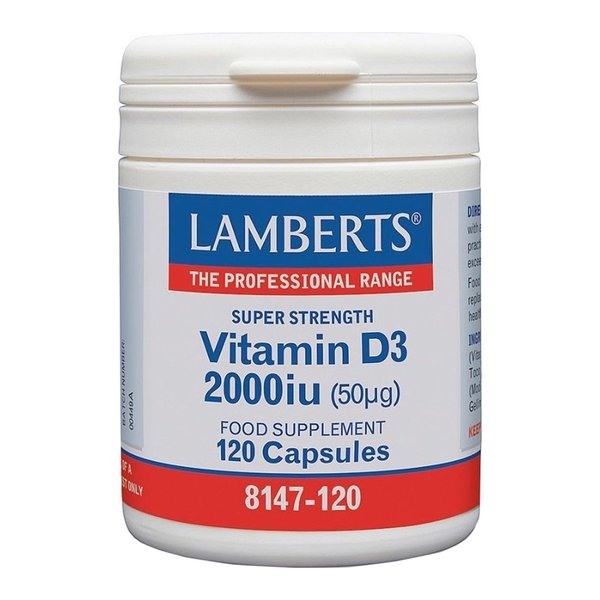
- Vitamin D: NRV is 5 µg. A capsule with 50 µg (2000 IU) gives 1000% NRV.
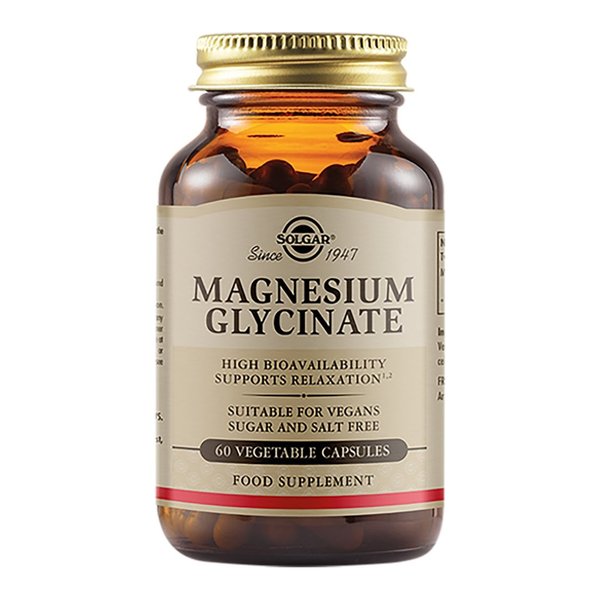
- Magnesium: NRV is 375 mg. A dose with 150 mg gives 40% NRV.
A high percentage is not automatically a problem, but it is the number to compare between products.
3. Check the nutrient, not the compound
Minerals come attached to something else: magnesium citrate, zinc picolinate, and so on. The big number in the product name is often the weight of the whole compound. What matters is the line in the table for the mineral itself, which the label must show.
4. Know the upper limits
The European Food Safety Authority (EFSA) sets tolerable upper intake levels for adults. A few useful ones:
- Vitamin D: 100 µg (4000 IU) a day from all sources
- Zinc: 25 mg a day
- Magnesium from supplements: 250 mg a day
If you take several products, add them up. Doses above these levels should only be taken on a doctor's advice.
5. Read the claims carefully
In the EU, a supplement may only use authorised health claims, worded close to the official text, such as "Vitamin D contributes to the maintenance of normal bones". A supplement may never claim to treat, cure or prevent a disease. If a label or website promises that, be careful with the whole product.
6. The small print that must be there
- The warning not to exceed the recommended daily dose
- A statement that supplements are not a substitute for a varied diet
- "Keep out of reach of young children"
- A best-before date and a batch number
A label missing these is a red flag.
FAQ
Is a higher dose better?
Not necessarily. Once you cover your needs, more does not add benefit and can go past the safe upper limit. Compare the amount per daily dose and the %NRV.
What does IU mean on vitamin D?
IU is an older unit. For vitamin D, 1 µg equals 40 IU, so 25 µg is 1000 IU and 50 µg is 2000 IU.
Should I ask a doctor before taking supplements?
Yes if you are pregnant, breastfeeding, taking medication or have a health condition. A pharmacist can also check for interactions.
Sources: EU Directive 2002/46/EC on food supplements, EU Regulation 1169/2011 (Annex XIII, reference values), EU Regulation 1924/2006 on health claims, EFSA tolerable upper intake levels.