We know very little. Cloves and clove extracts have lowered blood sugar in animal and laboratory studies, but in people the evidence comes down to a few small, short studies with serious limits, some of them run by the company that sells the extract. Cloves are a lovely spice to cook with, but there is no good evidence that they lower blood sugar in a meaningful way, and they are not a substitute for diabetes care.
Why are people talking about cloves and blood sugar?
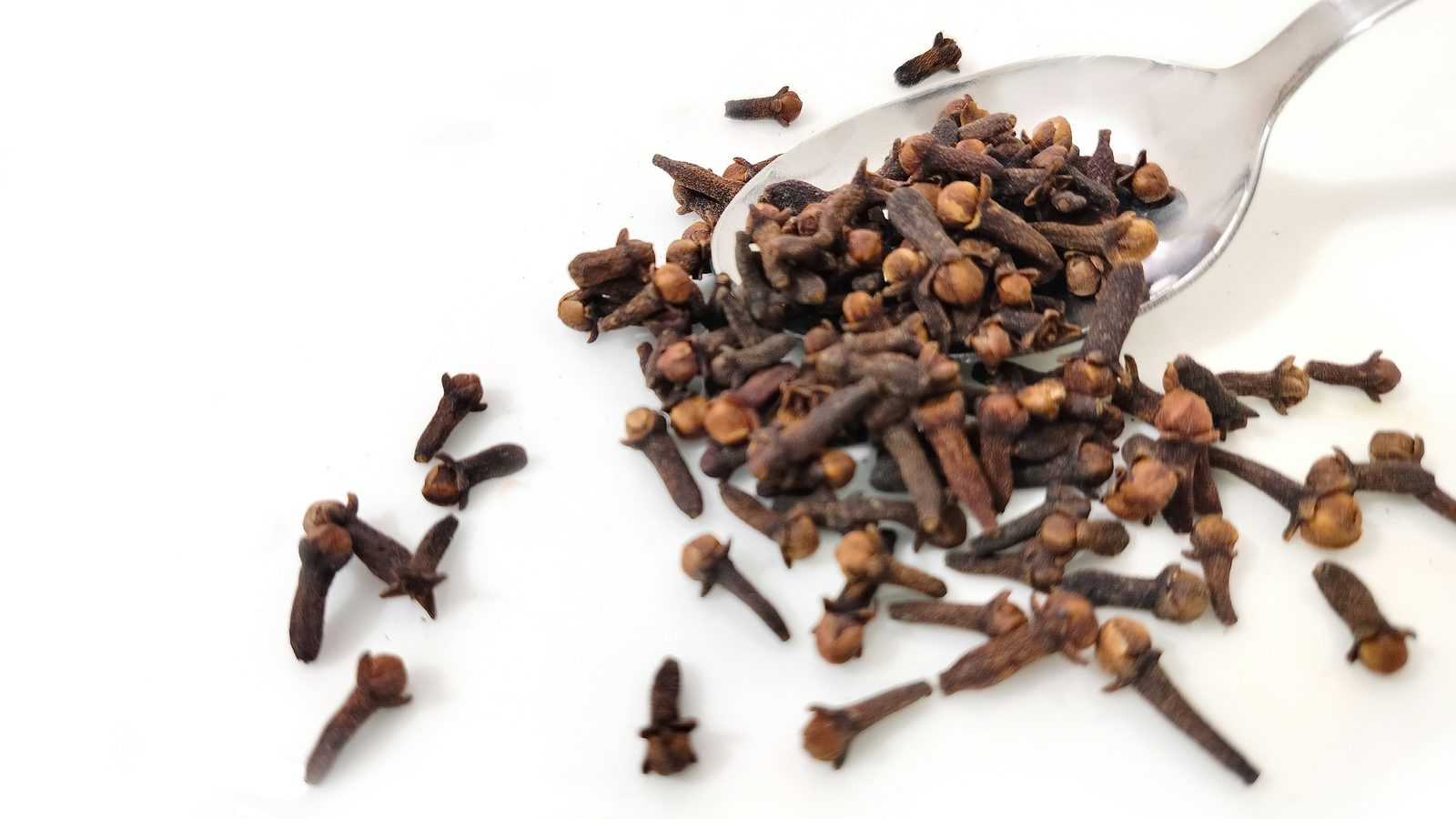
Cloves (the dried flower buds of Syzygium aromaticum) are rich in eugenol, the compound behind their strong smell, and in polyphenols. In test tubes, clove extracts slow down enzymes that break starch into sugar. In rats and mice with experimentally induced diabetes, eugenol and clove powder lowered blood glucose.
That is how most "natural blood sugar" stories begin, and it is also where many of them end. Something that works in a dish of cells or in a diabetic rat often does not work, or works far less, in people eating normal amounts of food. Social media videos tend to skip this step.
What do human studies actually show?
We found only three human studies worth mentioning, and each has real weaknesses.
- A 2006 study in people with type 2 diabetes (Khan and colleagues). Thirty-six people took capsules with 0, 1, 2 or 3 g of ground cloves a day for 30 days. Blood glucose, triglycerides and LDL cholesterol fell in the clove groups. But this was published only as a short conference abstract, not a full peer-reviewed paper, so the methods cannot be checked properly, and with about nine people per group it is very small.
- A 2019 pilot study (Mohan and colleagues, BMC Complementary and Alternative Medicine). Thirteen healthy or prediabetic young adults took 250 mg a day of a polyphenol-rich clove extract for 30 days. Blood sugar after meals went down. There was no control group, nobody was blinded, and several authors worked for the company that makes the extract or for a firm that sells it.
- A 2022 trial in 70 adults with metabolic syndrome compared a branded clove extract from the same manufacturer with another supplement (glutathione) for 12 weeks. The clove group showed better fasting and after-meal glucose and HbA1c. The study was randomised and blinded, which is better, but there was no placebo group, so it cannot tell us how much of the change came from the clove extract itself rather than from taking part in a study.
We could not find a systematic review or meta-analysis of cloves and blood sugar in humans, and no large, independent, placebo-controlled trial. In other words, the question has not been properly tested.
Is a clove extract the same as cloves in my food?
No. The 2019 and 2022 studies used a concentrated, standardised extract in capsules, not the few cloves you might put in a stifado or a cup of tea. Results from an extract, even if they hold up, say little about cloves used as a spice. And nobody has shown how many whole cloves would match a capsule.
Can cloves be harmful?
Cloves used as a spice in normal cooking are considered safe for most people. Concentrated products are different.
- Clove oil is not for swallowing. Its main component, eugenol, can be harmful in large amounts. The US National Library of Medicine (MedlinePlus) warns that as little as 10 ml of clove oil can have serious effects in adults, and that smaller amounts can be dangerous for children, including liver damage. Keep clove oil out of children's reach.
- Bleeding. Eugenol slows blood clotting in laboratory studies. If you take blood thinners such as warfarin, or antiplatelet medicines, or have a bleeding disorder, avoid clove extracts and clove oil unless your doctor agrees.
- Diabetes medication. If a clove supplement did lower blood sugar, taking it with diabetes medicines could, in theory, push glucose too low. This has not been studied, which is exactly why it needs a conversation with your doctor.
Clove oil does have one recognised traditional use in the EU. The European Medicines Agency lists it as a traditional herbal medicine for temporary relief of toothache from a cavity (until you can see a dentist) and for minor inflammation in the mouth or throat, applied locally, based on long-standing use rather than clinical trials. That is a different use from swallowing it for blood sugar.
What actually helps with blood sugar?
The approaches with strong evidence are less exciting but much better tested: regular physical activity, a diet rich in vegetables, pulses and whole grains, fewer sugary drinks, keeping a healthy weight, and, for people with diabetes or prediabetes, regular check-ups and the treatment their doctor recommends.
If you enjoy cloves, keep cooking with them. Just do not count on them to manage your glucose.
If you have diabetes or prediabetes, or take any medication, talk to your doctor before trying clove supplements, and never stop or reduce your diabetes medication on your own.
FAQ
How many cloves a day lower blood sugar?
There is no evidence-based number. The one small study with whole ground cloves used 1 to 3 g a day in capsules and was never published in full. Nobody has shown that a specific number of cloves in food changes blood sugar.
Is clove tea good for diabetes?
Clove tea is a pleasant drink, and a cup made from a few cloves is unlikely to cause harm for most people. There are no studies showing it improves blood sugar control. It should not replace any treatment.
Are clove supplements safe?
They have not been studied enough to say for sure, especially over the long term. Avoid them if you are pregnant or breastfeeding, if you take blood thinners or diabetes medication, or before surgery, unless your doctor agrees. Never swallow clove essential oil.
Sources: Khan A, Qadir SS, Khattak KN, Anderson RA, Cloves improve glucose, cholesterol and triglycerides of people with type 2 diabetes mellitus, FASEB Journal 2006, 20(5):A990 (conference abstract), Mohan R et al., Water-soluble polyphenol-rich clove extract lowers pre- and post-prandial blood glucose levels in healthy and prediabetic volunteers: an open label pilot study, BMC Complementary and Alternative Medicine 2019, 19:99, Clove bud (Syzygium aromaticum L.) polyphenol helps to mitigate metabolic syndrome: a randomized, double-blinded, active-controlled comparative study, Journal of Functional Foods 2022, 98:105273, MedlinePlus (US National Library of Medicine), Eugenol (oil of cloves) overdose, European Medicines Agency, Community herbal monograph on Syzygium aromaticum, floris aetheroleum (clove oil).